
The agile project management framework Scrum is established in many companies to efficiently manage complex projects. At its core are the Scrum artifacts, which promote transparency, structure, and collaboration. This article highlights the key artifacts, their functions, and their added value in the agile process. Learn how these elements help teams define clear goals and achieve successful outcomes.
- Introduction to Scrum Artifacts and Their Importance
- Product Backlog: The Foundation for Prioritized Requirements
- Sprint Backlog: Planning and Focus for the Sprint
- Increment: The Tangible Result of a Sprint
- Role of Artifacts in Agile Collaboration
- FAQs – Frequently Asked Questions About Scrum Artifacts
- What Are Scrum Artifacts?
- What Is the Role of the Product Backlog?
- What Is the Difference Between Product and Sprint Backlog?
- What Is an Increment in Scrum?
- Who Is Responsible for the Product Backlog?
- How Is the Sprint Backlog Created?
- What Happens to the Increment After a Sprint?
- Why Is Transparency Important for Scrum Artifacts?
- Can the Product Backlog Be Changed During a Project?
- What Is the Definition of Done?
- How Does the Sprint Backlog Support Teamwork?
- What Is the Role of the Scrum Master in Relation to Artifacts?
- How Often Is the Product Backlog Refined?
- Can Stakeholders Directly Access the Artifacts?
- How Do Scrum Artifacts Contribute to Agile Flexibility?
Introduction to Scrum Artifacts and Their Importance
Scrum is one of the leading agile methods in project management, designed to manage complex projects efficiently through iterative processes and clear structures. The Scrum artifacts form the backbone of this method, ensuring transparency, traceability, and clear alignment of team goals. They help measure progress, set priorities, and improve collaboration among all stakeholders. But what exactly makes these artifacts so essential?
Definition and Purpose of Scrum Artifacts
Scrum artifacts are tangible elements created and maintained during the Scrum process. They serve to centralize information and ensure that all team members are on the same page. With their clear structure, they support the agile principles of flexibility and continuous improvement. The three main artifacts in Scrum are:
- Product Backlog: A prioritized list of all desired product features.
- Sprint Backlog: The tasks to be completed within a sprint.
- Increment: The completed product piece at the end of a sprint.
These artifacts are closely interconnected and form the foundation for effective communication and decision-making.
Why Are Scrum Artifacts Important?
The importance of Scrum artifacts lies in their ability to create clarity and focus in dynamic projects. They enable teams to maintain an overview and concentrate on what matters most. Through regular maintenance and review of the artifacts, requirements can be adapted to current conditions. This not only promotes efficiency but also enhances the quality of the final result.
Additionally, they create a shared foundation for collaboration between the Product Owner, Scrum Master, and development team by ensuring transparency regarding project progress and objectives.
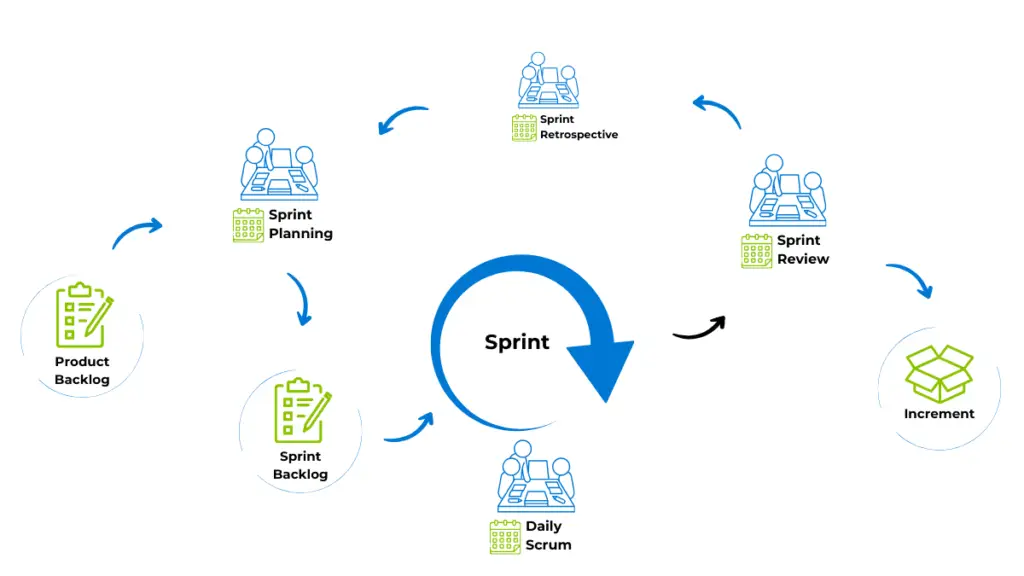
Product Backlog: The Foundation for Prioritized Requirements
The Product Backlog is one of the central Scrum artifacts and serves as a dynamic list of all requirements, features, enhancements, and bug fixes relevant to a product. It forms the foundation for the entire product development and is continuously maintained by the Product Owner. The Product Backlog is not static but evolves with the project to accommodate new requirements and priorities.
Structure and Content of the Product Backlog
The Product Backlog contains so-called Product Backlog Items (PBIs), typically formulated as User Stories, technical tasks, or bug fixes. Each item includes a description, acceptance criteria, and a prioritization. The key characteristics of a Product Backlog are:
- Prioritization: Items are ordered based on their importance to the product and the customer.
- Level of Detail: High-priority items are described in greater detail, while lower-priority items may be more broadly defined.
- Flexibility: The backlog is regularly updated to account for changes in the project environment or new insights.
The Role of the Product Owner
The Product Owner is responsible for the maintenance and prioritization of the Product Backlog. They work closely with stakeholders and the development team to ensure that requirements are clearly formulated and aligned with the product vision. Through regular refinement sessions, the backlog is refined to facilitate planning for upcoming sprints. This promotes clear alignment and minimizes misunderstandings within the team.
Importance for the Scrum Process
The Product Backlog ensures that all stakeholders have a shared understanding of the project goals. It serves as a central source of information and helps the team focus on the most valuable tasks. Through continuous adaptation, the product remains competitive and customer-oriented. A well-maintained Product Backlog is thus crucial for the success of an agile project.

Sprint Backlog: Planning and Focus for the Sprint
The Sprint Backlog is a central Scrum artifact that defines the work of a development team during a sprint. It consists of a selection of items from the Product Backlog that the team aims to complete within a fixed timeframe, typically two to four weeks. The Sprint Backlog is a dynamic tool that can be adjusted during the sprint to maintain focus on the agreed goals.
Content and Structure of the Sprint Backlog
The Sprint Backlog contains specific Product Backlog Items (PBIs) selected for the sprint, along with a plan for their implementation. It includes:
- Selected User Stories or Tasks: These reflect the Product Owner’s priorities.
- Effort Estimates: Estimations, often in story points or hours, to assess the complexity of tasks.
- Subtasks: Detailed steps required to complete the PBIs.
The team creates the Sprint Backlog collaboratively during sprint planning to ensure a clear distribution of tasks.
Responsibilities and Maintenance
The development team is responsible for creating and maintaining the Sprint Backlog. During the sprint, the team can make adjustments if new insights or obstacles arise. The Scrum Master supports the team in staying focused and ensuring the work remains within the scope of the sprint goals. Regular Daily Scrums help monitor progress and update the backlog as needed.
Importance for the Scrum Process
The Sprint Backlog creates transparency and enables the team to focus on specific, achievable goals. It promotes accountability, as the team decides how tasks will be implemented. Through its clear structure and regular review, the Sprint Backlog supports iterative development and ensures that each sprint delivers measurable value.

Increment: The Tangible Result of a Sprint
The Increment is a central Scrum artifact and represents the concrete result of a sprint. It encompasses all Product Backlog Items completed during the sprint that meet the Definition of Done criteria. The Increment is a functional, potentially shippable product piece that delivers measurable value to the project. It forms the foundation for the continuous development of the product.
Definition and Characteristics of the Increment
An Increment is the sum of all completed Product Backlog Items from a sprint, combined with the Increments of previous sprints. It is characterized by the following properties:
- Functionality: The Increment must be fully tested and ready for use.
- Quality: It meets the team’s defined Definition of Done.
- Transparency: All stakeholders can clearly understand the progress and functionality.
These properties ensure that the product grows incrementally and remains potentially shippable at all times.
Creation and Review
The development team is responsible for creating the Increment. During the sprint, team members collaborate to implement the selected Product Backlog Items while adhering to quality standards. At the end of the sprint, the Increment is presented during the Sprint Review, where stakeholders provide feedback and plan the next steps. This fosters close collaboration and ensures the product meets stakeholder requirements.
Importance for the Scrum Process
The Increment is the key to iterative development in Scrum. It enables the team to deliver functional results regularly and receive early feedback. This allows adjustments to be implemented quickly, increasing the flexibility and customer focus of the project. The Increment also builds stakeholder trust, as they can directly experience the product’s progress, and supports continuous improvement of product quality.

Role of Artifacts in Agile Collaboration
The Scrum artifacts – Product Backlog, Sprint Backlog, and Increment – are essential tools that promote agile collaboration in Scrum teams. They create structure, transparency, and shared alignment by supporting communication between the Product Owner, Scrum Master, and development team. Their targeted use enhances efficiency and ensures that all stakeholders work toward the same goals.
Promoting Transparency and Communication
Scrum artifacts serve as central sources of information, making project progress visible to all stakeholders. The Product Backlog provides a clear overview of priorities, while the Sprint Backlog focuses on current tasks. The Increment showcases tangible results discussed during the Sprint Review. This transparency enables:
- Clear Communication: All team members and stakeholders have access to the same information.
- Trust: Regular insights into progress build confidence in the process.
- Feedback Loops: Early feedback through Increments improves product quality.
Supporting Agile Principles
The artifacts embody agile values such as flexibility, collaboration, and continuous improvement. The Product Backlog allows adjustments to new requirements, the Sprint Backlog promotes team accountability, and the Increment delivers regular measurable results. This structure enables teams to respond quickly to changes while maintaining focus on the product vision.
Collaboration Between Roles
Each Scrum role actively interacts with the artifacts. The Product Owner prioritizes the Product Backlog, the development team shapes the Sprint Backlog, and the Scrum Master supports process adherence. Together, they ensure that the artifacts remain dynamic and drive project progress. This close collaboration strengthens team cohesion and leads to effective, customer-focused product development.
FAQs – Frequently Asked Questions About Scrum Artifacts
What Are Scrum Artifacts?
Scrum artifacts are central elements in the Scrum framework that create transparency and structure. They include the Product Backlog, Sprint Backlog, and Increment. They support teams in planning, implementing, and reviewing projects.
What Is the Role of the Product Backlog?
The Product Backlog is a prioritized list of all requirements, features, and bug fixes for a product. It serves as the foundation for planning and is continuously updated by the Product Owner.
What Is the Difference Between Product and Sprint Backlog?
The Product Backlog encompasses all potential tasks for the entire project, while the Sprint Backlog contains only the tasks selected for a specific sprint that the team aims to complete.
What Is an Increment in Scrum?
An Increment is the functional product piece delivered at the end of a sprint. It meets the Definition of Done and is potentially shippable.
Who Is Responsible for the Product Backlog?
The Product Owner is responsible for maintaining and prioritizing the Product Backlog. They ensure it reflects the product vision and is aligned with stakeholders.
How Is the Sprint Backlog Created?
The Sprint Backlog is created during sprint planning by the development team. It selects items from the Product Backlog and defines how they will be implemented.
What Happens to the Increment After a Sprint?
The Increment is presented during the Sprint Review to gather feedback from stakeholders. It forms the basis for further development in subsequent sprints.
Why Is Transparency Important for Scrum Artifacts?
Transparency ensures that all stakeholders have the same level of information. This fosters trust, clear communication, and efficient collaboration within the team.
Can the Product Backlog Be Changed During a Project?
Yes, the Product Backlog is dynamic and regularly updated to account for new requirements, priorities, or insights.
What Is the Definition of Done?
The Definition of Done is a set of criteria that a Product Backlog Item must meet to be considered complete. It ensures the quality of the Increment.
How Does the Sprint Backlog Support Teamwork?
The Sprint Backlog promotes team accountability, as the team decides how tasks are implemented. It ensures focus and clear goal-setting within the sprint.
What Is the Role of the Scrum Master in Relation to Artifacts?
The Scrum Master supports the team in using the artifacts by facilitating processes, removing obstacles, and promoting adherence to agile principles.
How Often Is the Product Backlog Refined?
The Product Backlog is regularly refined in backlog refinement sessions, often weekly or before each sprint, to optimize priorities and details.
Can Stakeholders Directly Access the Artifacts?
Stakeholders typically do not have direct access but gain insights through the Product Owner or during the Sprint Review, where the Increment is presented.
How Do Scrum Artifacts Contribute to Agile Flexibility?
The artifacts enable adjustments to new requirements and promote iterative development. They help maintain a focus on customer needs and continuous improvement.